
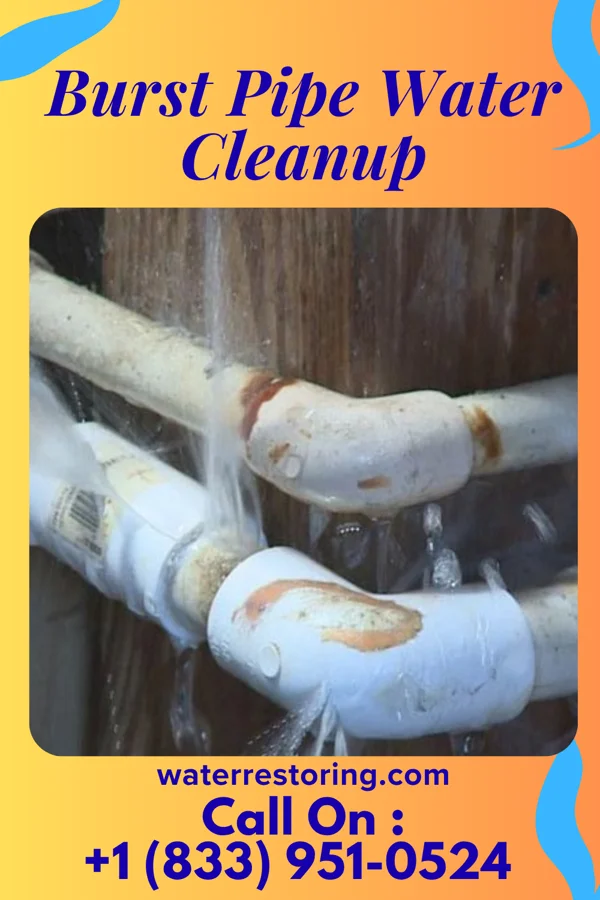
Encampment Pipe Burst Risk Drivers
Water damage in Encampment tends to cluster in predictable windows because of the local climate. Encampment, Wyoming, with its rural setting and seasonal temperature fluctuations, faces a moderate risk of pipe bursts, especially during winter months when frozen ground can cause pressure changes in underground water lines. The town's proximity to rivers and agricultural areas increases the likelihood of water main failures due to aging infrastructure. A close second is The presence of older residential and commercial buildings in Encampment, many of which have not been updated with modern plumbing systems, contributes to the risk of pipe bursts. Additionally, the area's low population density means that emergency response times can be longer, increasing the potential for water damage to spread..
Encampment's semi-arid climate, with cold winters and warm summers, creates conditions where water pipes are vulnerable to both freezing and thermal expansion. This climate pattern, combined with the town's rural infrastructure, increases the need for proactive pipe maintenance and rapid response in the event of a burst.
Encampment's semi-arid climate, with cold winters and warm summers, creates conditions where water pipes are vulnerable to both freezing and thermal expansion. This climate pattern, combined with the town's rural infrastructure, increases the need for proactive pipe maintenance and rapid response in the event of a burst. The dominant local driver is Encampment, Wyoming, with its rural setting and seasonal temperature fluctuations, faces a moderate risk of pipe bursts, especially during winter months when frozen ground can cause pressure changes in underground water lines. The town's proximity to rivers and agricultural areas increases the likelihood of water main failures due to aging infrastructure., with The presence of older residential and commercial buildings in Encampment, many of which have not been updated with modern plumbing systems, contributes to the risk of pipe bursts. Additionally, the area's low population density means that emergency response times can be longer, increasing the potential for water damage to spread. showing up as the next most common cause. Damage builds in stages. Spread. Absorption. Microbial growth. Structural compromise. Every stage you pass through adds to the final bill.